

Play Video
Welcome to Lucius Roofing
Mid-South Roofing Contractors
With over 40+ years of experience, Lucius has established a reputation as one of the Mid-South’s leading roofing contractors. We strive to consistently deliver high-end results at an affordable price. Our customers trust us to protect their families and investments with quality craftsmanship, and courteous, reliable service.
Residential Roofing
Learn More
Gutters & Gutter Guards
Learn More
Atlas Roofing Systems
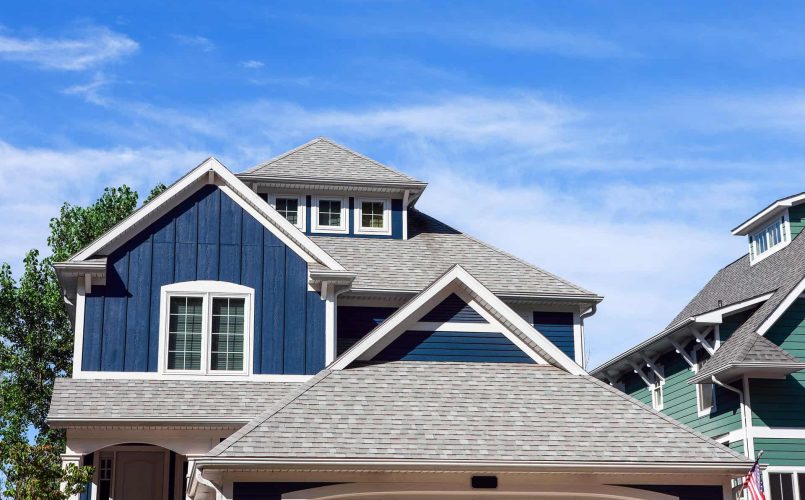
When it comes to roofing solutions that stand the test of time, look no further than Lucius Roofing Company’s preferred choice: Atlas Pinnacle® Pristine Shingles. Designed to elevate the aesthetic appeal of your Memphis Are home, these architectural shingles come in a stunning array of colors, all while offering unmatched durability.
Why Choose Lucius?
Lucius Roofing Company serves the Memphis, Bartlett, Germantown, Cordova, Collierville, Tennessee and surrounding areas in the Mid-South. Our team members are highly trained and considered experts in their field. We guarantee that every job we perform will exceed industry standards, and adhere to the requests of the homeowner. Lucius Complete Home strives to ensure that every project we take on is performed with complete honesty, integrity and with the highest level of service.